Fixing a frozen condensate pipe
If your boiler was fitted after 2004, the chances are it is a condensing boiler. High efficiency boilers are generally called “condensing” boilers because condensation forms inside the flue. This condensate is drained from the boiler by a small pipe that usually connects into your waste water pipework, such as the kitchen sink waste pipe.
If your condensate pipe connects to your waste water inside the house, (under the kitchen sink, for example) it is much less likely to freeze.
However, for millions of people, the condensate pipe passes through the wall to then be routed to an outside drain. Usually, in these instances, it wasn’t possible for the boiler installer to find a better way to run the condensate drain to a suitable point.
The problem is that in winter, this drain can freeze where it passes through the wall.
The condensate drain system in the boiler cannot then function, waste condensate material backs up, and the boiler shuts down. If you try to re start the boiler, you’ll often hear a gurgling sound and the boiler will shut down again.
On a cold, frosty morning, tens of thousands of people, if not hundreds of thousands, will wake up to a boiler that has shut down.
Local plumbers and heating engineers will be inundated with phone calls, and people will potentially pay a small fortune to get the problem fixed. Usually, they’ll have to wait in all day in a freezing cold house, until the emergency plumber can get to them.
However, unfreezing a blocked condensate pipe if very often something you can do yourself, and all you need is a kettle full of hot water.
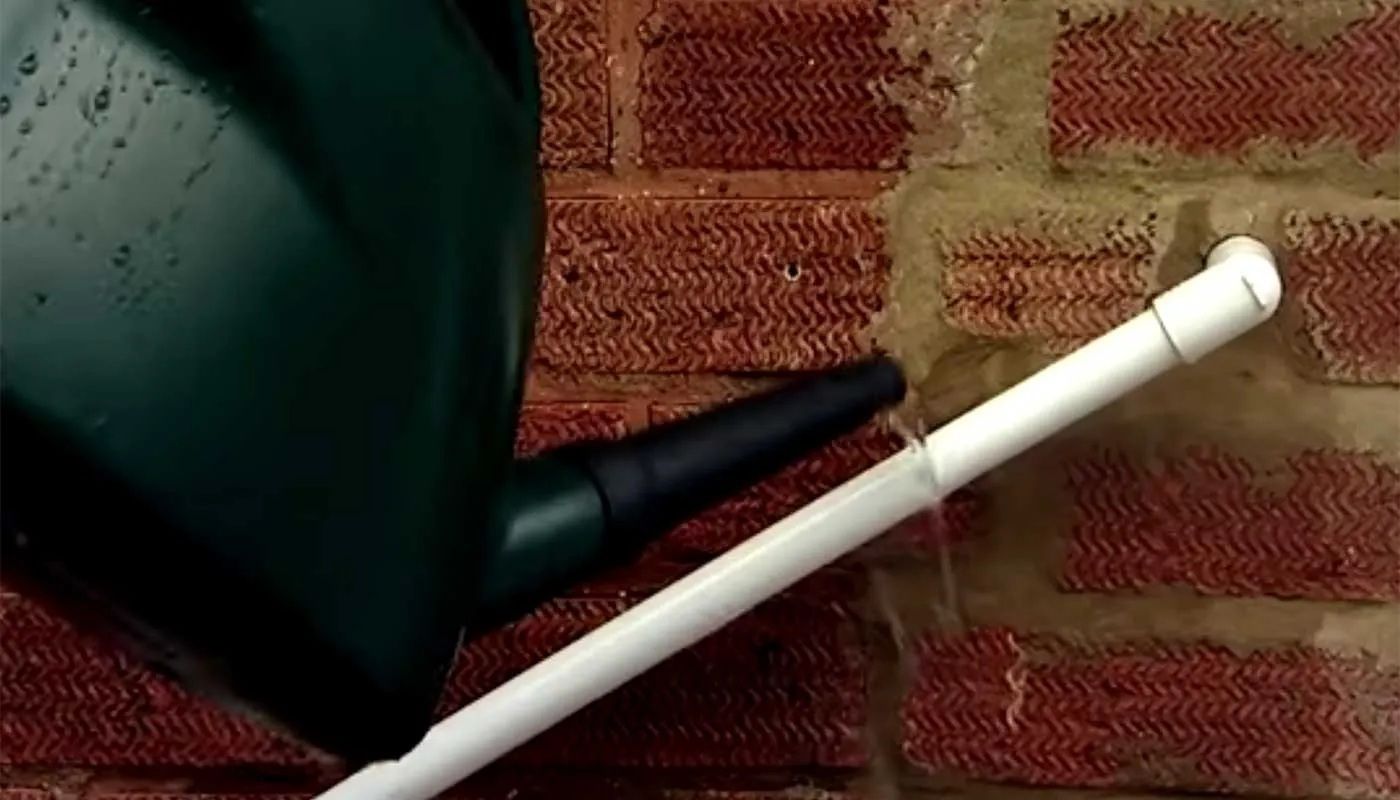
Boil your kettle and leave it for a few minutes so the water falls a little below boiling point. The slowly pour the kettle water onto the elbow, where the pipe comes through the wall. After you’ve emptied about a third of the kettle water, slowly move down the condensate pipe towards the grate, or wherever the pipe leads to.
If your boiler is sited downstairs, this is all quite easy, as the condensate pipe will come through your wall at a fairly accessible height. If your boiler is upstairs, you’ll need a set of ladders.
If you’re not confident with ladders, hopefully there’s a family member of neighbour who can help.
On a particularly freezing cold day you might need to re boil the kettle and repeat.
Then re start your boiler. Possibly you’ll probably hear a gurgling sound again, but the boiler will fire up.